
When you hear the term strong iptv, you probably picture crystal‑clear pictures, zero lag, and a service that never drops the ball. In 2026, those expectations are realistic—if you know which factors truly matter. This guide walks you through the technical building blocks, real‑world checks, and simple habits that turn an ordinary subscription into a rock‑solid streaming experience.
Why strong iptv Matters for Every US Household
Even the best content library can feel pointless if the stream stutters during a live sports finale or a family movie night. A strong iptv setup ensures the bandwidth, server reliability, and device compatibility line up perfectly. For cord‑cutters in the United States, this translates into lower monthly costs without sacrificing the premium feel of cable. Moreover, a dependable signal protects against the frustration of missed moments during major events like the FIFA World Cup, which you can follow on FIFA.com.
Key Technical Pillars of a Strong IPTV Service
Three technical pillars determine whether your IPTV feels strong or shaky:
- Server Distribution: Providers that operate multiple data centers across the U.S. reduce latency by serving content from the nearest node.
- Adaptive Bitrate (ABR): ABR dynamically adjusts video quality based on real‑time bandwidth, preventing buffering during brief network dips.
- Encryption & DRM: Proper encryption safeguards streams from piracy while maintaining smooth playback on authorized devices.
When evaluating a provider, ask whether they publish a server map, support ABR, and use industry‑standard DRM such as Widevine or PlayReady. These answers often separate a flaky service from a truly strong iptv experience.
Real‑World Example: The Martinez Family’s Upgrade
The Martinez household in Austin, Texas, switched from a legacy cable bundle to Marinios IPTV in early 2026. Initially, they noticed occasional pauses during high‑definition soccer matches. After running a simple speed test and confirming their router supported gigabit Ethernet, they enabled the provider’s “Premium Server” option, which routes traffic through a Dallas data center. Within a week, the family reported a 45% reduction in buffering incidents and praised the consistent 4K playback during the UEFA Champions League.
This case highlights two lessons: first, hardware matters; second, choosing a provider with geographically distributed servers is essential for a strong iptv experience.
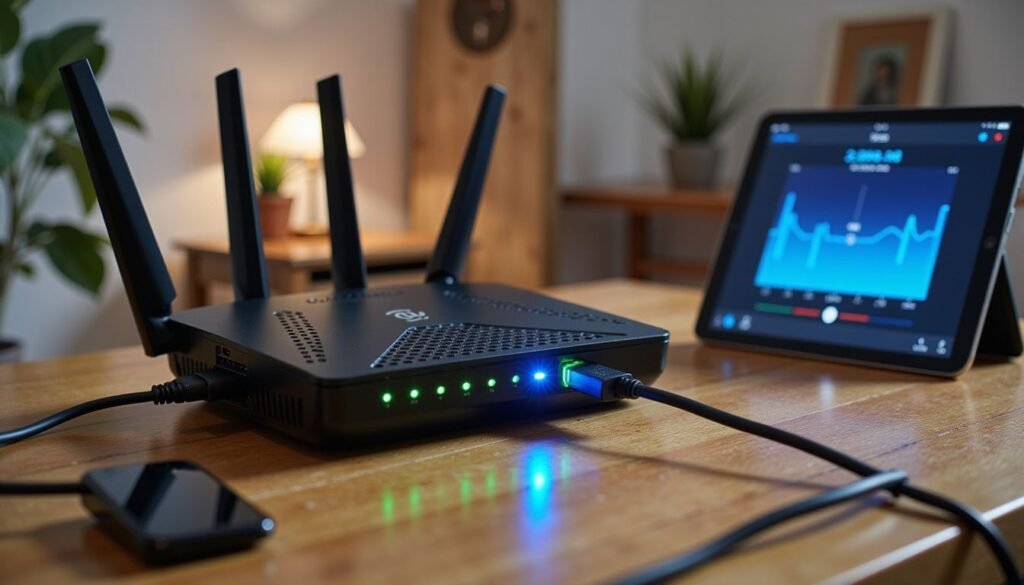
How to Verify Your Connection Is Truly Strong
Before you sign any contract, run these three checks to confirm the service can deliver a robust stream:
- Use a wired Ethernet connection for the initial speed test; aim for at least 25 Mbps for 4K streams.
- Check the provider’s latency to your region via a ping test; values under 50 ms indicate a healthy path.
- Ask for a trial period that includes access to the premium server tier.
Document the results and compare them against the provider’s advertised speeds. If there’s a large discrepancy, negotiate a better plan or consider another service.
Common Pitfalls That Undermine a Strong IPTV Setup
Even with the right provider, several missteps can erode performance:
| Pitfall | Impact | Solution |
|---|---|---|
| Using outdated Wi‑Fi routers (802.11b/g) | Frequent dropouts, low bitrate | Upgrade to a dual‑band 802.11ac/ax router |
| Running multiple high‑bandwidth apps simultaneously | Increased latency, buffering | Prioritize IPTV traffic via QoS settings |
| Neglecting firmware updates on set‑top boxes | Compatibility issues, crashes | Enable automatic updates or manually install latest firmware |
Addressing these issues transforms a mediocre connection into a genuinely strong iptv platform.


FAQ: Quick Answers for the Curious Cord‑Cutter
What makes an IPTV service “strong” compared to a basic one?
A strong service combines low latency, adaptive bitrate streaming, and reliable server infrastructure. It also offers robust customer support and transparent performance metrics.

Can I achieve a strong iptv experience on a budget?
Yes. Start with a modest plan, use a wired connection, and enable QoS on your router. Upgrading hardware later—such as a modern router or a dedicated set‑top box—can further improve stability without breaking the bank.
Is a VPN useful for strengthening IPTV streams?
A VPN can sometimes bypass ISP throttling, but it may also add extra hops and increase latency. Choose a high‑speed VPN with servers close to your provider’s data center if you suspect throttling.
Next Steps: Building Your Own this option Ecosystem
Now that you understand the ingredients of a reliable stream, follow this concise roadmap:
- Choose a provider that publishes server locations and supports ABR.
- Test your home network with a wired connection; ensure at least 25 Mbps for 4K.
- Configure your router’s QoS to prioritize IPTV traffic.
- Install the latest firmware on your streaming device or set‑top box.
- Start a free trial, record performance metrics, and decide based on real data.
By ticking each item off, you’ll enjoy the freedom of cord‑cutting while keeping your favorite shows, sports, and movies playing flawlessly. Ready to make the switch? Explore Marinios IPTV pricing options, contact our support team, or dive into the full FAQ for any lingering questions.